Which is the Best Nasha Mukti Kendra in Nagpur and Bhandara for 2026
What are the key features to look for in a top-rated de-addiction center in Maharashtra?
Finding the right support for addiction is often the most critical decision a family will ever make. When searching for a Nasha Mukti Kendra in Nagpur or Bhandara, the sheer number of options can be overwhelming. However, the difference between a temporary fix and lifelong recovery lies in the clinical standards and the "Human-First" approach of the facility.
In 2026, the gold standard for rehabilitation has shifted from simple confinement to Integrated Rehabilitation Centres for Addicts (IRCA). Organizations like the Kalyani Social Welfare and Research Organization (Kalyani Sanstha) have pioneered this shift by focusing on a drug-free and violence-free society through professional medical and psychological support.
Why Is Location Critical When Searching for a Nasha Mukti Kendra in Nagpur?
How does the environment in Nagpur facilitate faster recovery?
Nagpur has emerged as the medical soul of Central India. Choosing a Nasha Mukti Kendra in Wardha offers more than just proximity; it provides access to a specialized ecosystem. Unlike the high-stress, cramped environments often found in mega-metros, Nagpur offers:
- Medical Excellence: As a hub for premium healthcare, centers here are staffed by psychiatrists and clinical psychologists who utilize the latest evidence-based recovery protocols.
- Tranquil Atmosphere: Recovery requires introspection. The serene, greener outskirts of Nagpur provide the psychological "breathing room" necessary for deep healing.
- Family Accessibility: For those in eastern Maharashtra, Nagpur is the most accessible point for mandatory family counseling sessions—a factor proven to increase recovery rates by over 60%.
What Makes a Nasha Mukti Kendra in Bhandara the Right Choice for Local Families?
For many, the search for a Nasha Mukti Kendra in Bhandara is driven by the need for a culturally familiar environment. Recovery is difficult when there is a language or cultural barrier. Local centers managed under the standards of the Kalyani Social Welfare and Research Organization ensure that:
- The Staff Speaks Your Language: Communication is the first step in breaking down the walls of denial.
- Cultural Integration: Patients feel less like "outsiders" and more like members of a community working toward a shared goal.
- Reduced Travel Stress: Minimizing long-distance travel for families allows for more frequent "Aftercare" visits, which are essential in the first 90 days of sobriety.
The 5 Pillars of Successful Rehabilitation: What You Must Demand
How do I distinguish a professional medical facility from a basic hostel?
To ensure you are choosing a legitimate path to recovery, look for these five non-negotiable pillars:
1. Medically Supervised Detoxification (MSD)
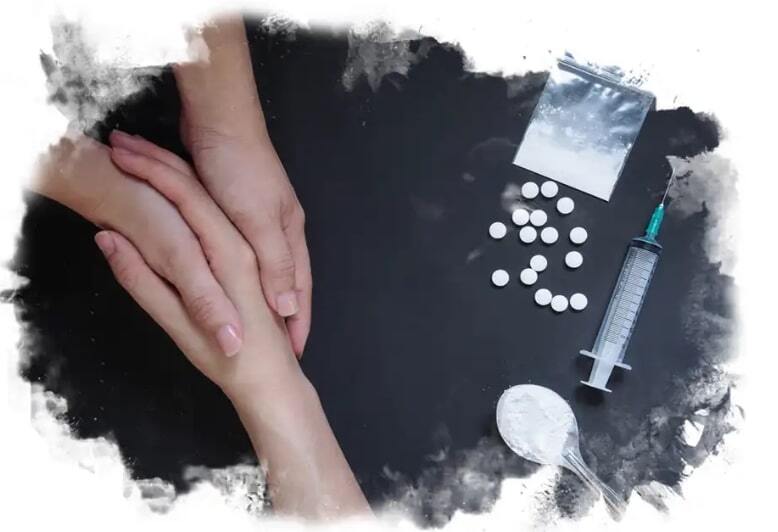
Withdrawal is the biggest "Pain Point." The fear of physical pain often keeps individuals trapped in use. A professional center provides 24/7 medical supervision to ensure toxins are cleared from the body safely and with minimal discomfort.
2. Dual Diagnosis Integration
Is the addiction a symptom of underlying depression, anxiety, or trauma? Top-tier centers like Kalyani Sanstha prioritize identifying these co-occurring disorders. If you don't treat the "Why," the "What" will eventually return.
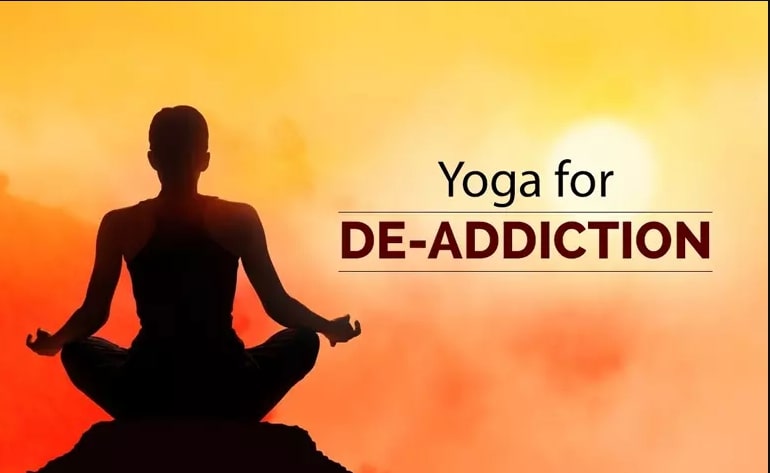
3. Holistic Healing (Yoga, Art, and Music)
Scientific recovery must be paired with spiritual restoration. Standard programs should include:
- Yoga & Meditation: To restore natural dopamine production.
- Art & Music Therapy: To provide healthy emotional outlets.
- Sports & Physical Activity: To rebuild the body's physical strength.
4. Cognitive Behavioral Therapy (CBT)
This is the "brain-rewiring" phase. Patients learn to identify the exact moments their brain "tricks" them into wanting a substance and develop the mental muscles to say no.
5. Family Healing and Empowerment
Addiction is a family disease. The home environment must change for the patient to stay sober. Professional centers include mandatory family education and therapy to heal broken bonds and set healthy boundaries.
Local vs Commercial De-Addiction Centres
|
Feature |
NGO-Based IRCA (Like Kalyani) |
Commercial Rehab Centres |
|
Cost |
Affordable / Free programs |
Expensive |
|
Treatment Model |
Holistic + Community |
Often Detox-only |
|
Family Involvement |
Strong focus |
Limited |
|
Aftercare |
Follow-up & support groups |
Often missing |
|
Social Reintegration |
Vocational training included |
Rare |
Programs under IRCA include detox, counseling, awareness, and rehabilitation support, often supported by government frameworks
About Kalyani Social Welfare and Research Organization
Who is behind the leading de-addiction movement in Central India?
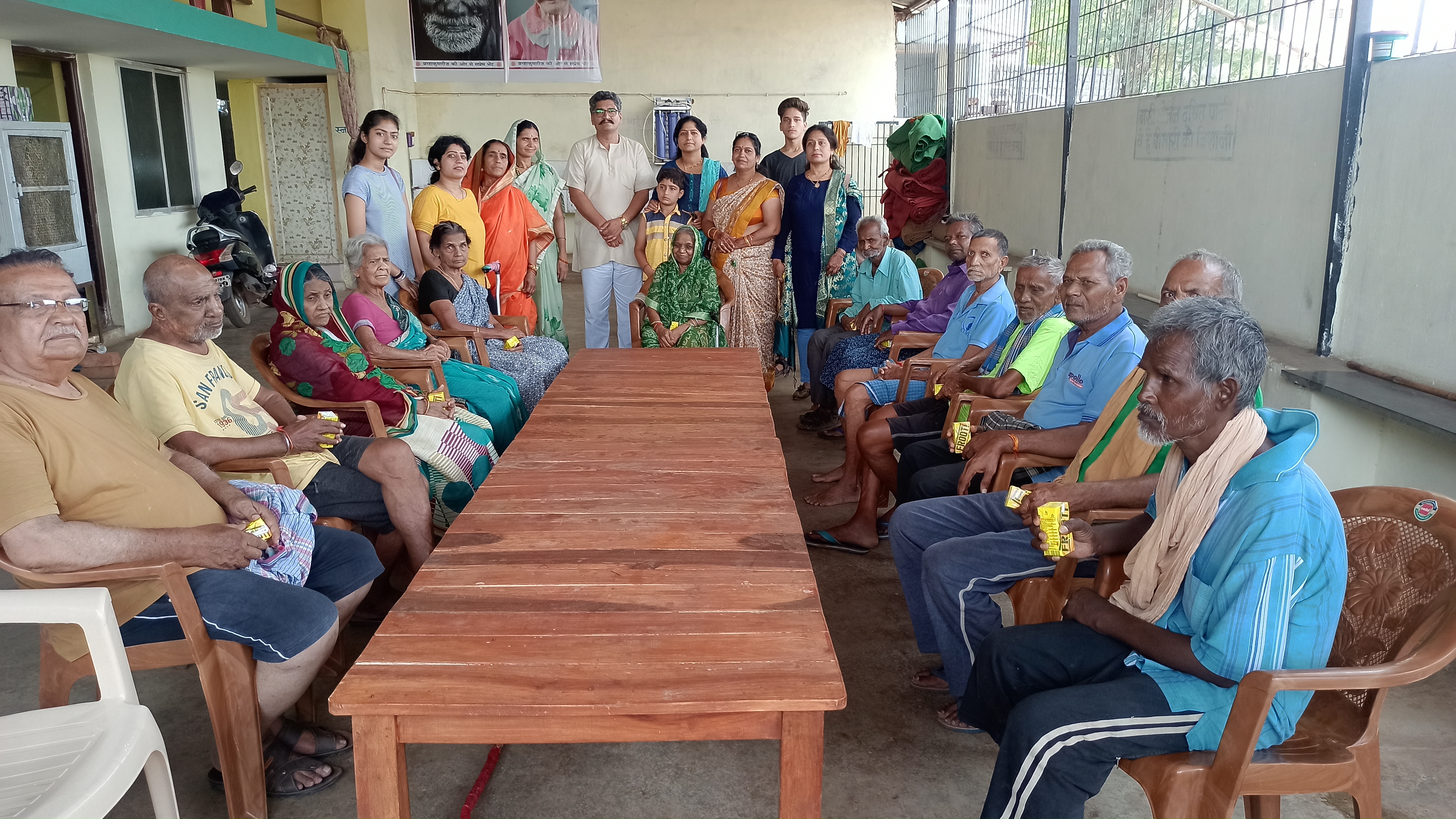
Founded in September 2003 by Mr. Ajay Kalyani, the organization was built on a foundation of over two decades of experience in social work. Unlike facilities that focus solely on "drying out" a patient, Kalyani Sanstha stands for Human Dignity.
- Founder’s Vision: Mr. Ajay Kalyani has spearheaded community-based programs that have transformed thousands of lives across Chhattisgarh and Maharashtra.
- Comprehensive Care: Beyond de-addiction, the organization manages "Remsheela Ki Kutiya" (Old Age Home) and residential centers for Autism and Cerebral Palsy.
- Success Philosophy: Their "zero replacement" philosophy ensures that every individual receives personalized, high-intensity care rather than being treated as a statistic.
Step-by-Step: The Journey from Admission to Freedom
What can a family expect when they reach out for help?
- The Initial Consultation: A confidential discussion to understand the history and severity of the addiction.
- Professional Assessment: A deep dive into the patient’s physical and psychological state.
- The Detox Phase: Safe, medically guided removal of substances from the system.
- Intensive Therapy: 30 to 90 days of structured inpatient care focusing on behavior change.
- Reintegration & Aftercare: Developing vocational skills and a "Safety Net" of support groups to prevent relapse.
Frequently Asked Questions (FAQs)
What is the average duration of a rehabilitation program?
Most intensive programs range from 30 to 90 days. While 30 days is standard for initial stabilization, research shows that 90-day programs have significantly higher long-term success rates as they allow for deeper habit formation.
How much does a Nasha Mukti Kendra cost in Maharashtra?
Costs vary based on the level of medical care and amenities. However, as an NGO-driven initiative, the Kalyani Social Welfare and Research Organization focuses on providing ethical, accessible care. It is always best to call their helpline directly for transparent, case-specific pricing.
Can family members visit during the treatment?
Yes. Family involvement is encouraged through scheduled visits and mandatory counseling sessions. This ensures the support system is ready when the patient returns home.
Is recovery possible after multiple relapses?
Absolutely. Relapse is often a part of the recovery journey, not the end of it. A professional center will analyze previous "triggers" and adjust the treatment plan to address the root causes more effectively.
How do I contact the center for immediate help?
You can reach out to the Kalyani Social Welfare and Research Organization through the following:
- Phone: +91-9302912115
- Email: kalyaniindiaorg@gmail.com
- Address: 1/22, New Krishna Nagar, Chhattisgarh (Serving Nagpur, Bhandara, and surrounding regions).
Your Next Step Toward a Drug-Free Life
The road to recovery begins with a single, courageous conversation. Whether you are looking for a Nasha Mukti Kendra in Bhandara or Nagpur, ensure you choose a partner that values dignity as much as detox.